E3 Sharing Space for Nature

Featured story

Meeting Global Conserved Area Targets

E3 Sharing Space for Nature

OECMs (other effective area-based conservation measures) are a new type of conserved area designation. To date, they are mostly privately- or state-governed and, although not necessarily specifically set aside for nature, they have conservation value through how they are managed. To meet the Global Biodiversity Framework Target 3, countries are developing new systems to identify, officially recognise, support and monitor their OECMs. Our cross-national research will inform all of these actions, to underpin future international policy and practice.

Our cross-national research will inform all of these actions, to inform international policy and practice. This will involve creating an OECM consortium, bringing together our existing government, NGOs and academic partners from Australia, Cameroon, England, Guyana, Indonesia, Italy, Kenya, Mexico, Mozambique, Nepal, Peru, Thailand and elsewhere.
Projects


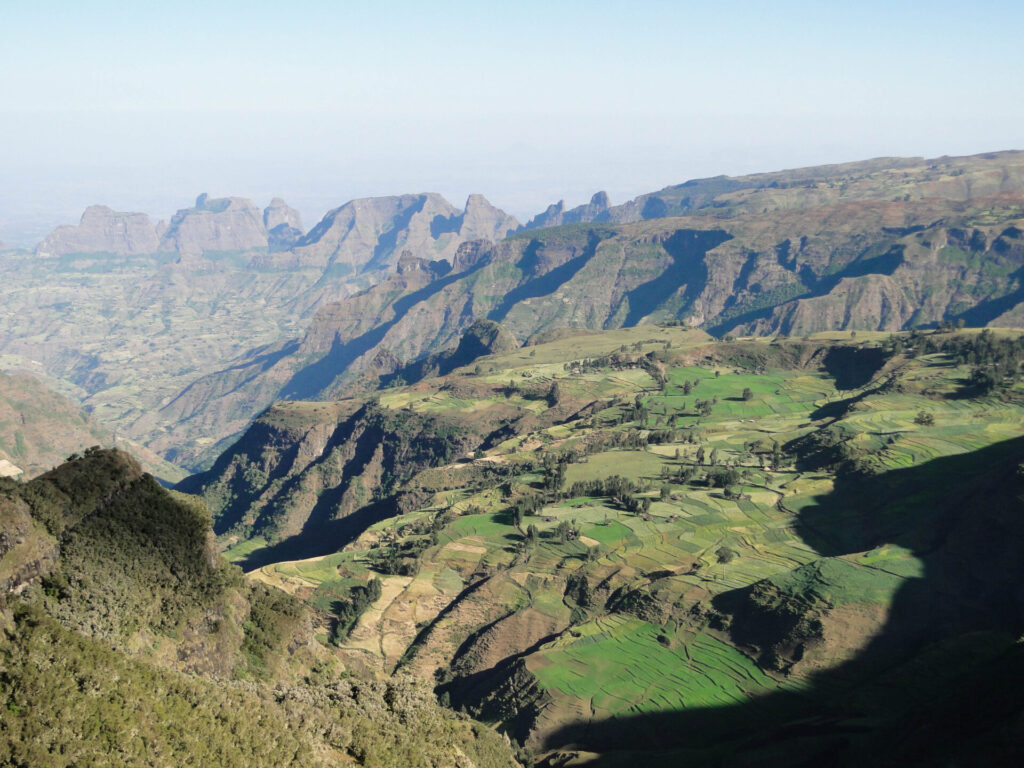
Simien Mountains National Park | Bernard Gagnon Creative Commons

E3 team: Stephanie Brittain

Funded by The Darwin Initiative

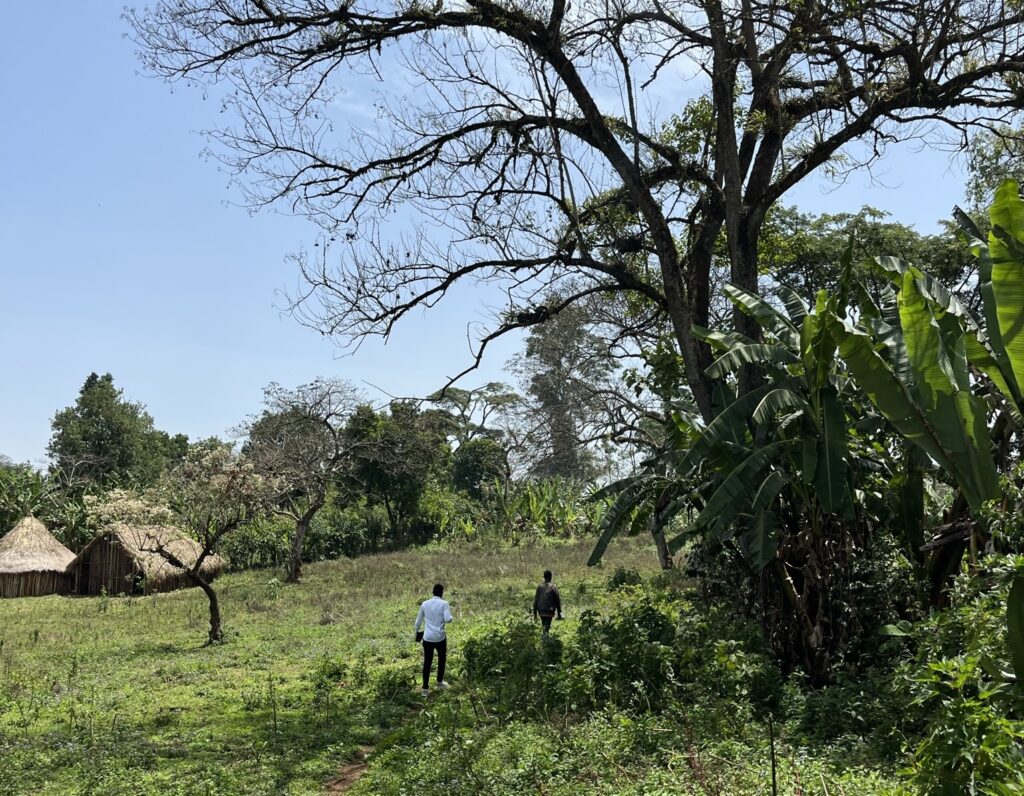
Environmental degradation in Ethiopia’s highlands continues to undermine rural livelihoods and biodiversity. This project supports locally valued and sustainable livelihood opportunities, including traditional guassa grass cultivation and highland honey production, while strengthening community capacity to co-manage natural resources. Working through participatory approaches, the project helps revitalise traditional governance systems and supports Community Conservation Areas that safeguard Afroalpine ecosystems. By improving livelihood security and supporting local communities, the project contributes to the protection of globally important grasslands and their unique wildlife, including endemic small mammals and the endangered Ethiopian wolf, while promoting long-term social and ecological resilience.

This project is led by Dr Jorgelina Marino at the Department of Biology, University of Oxford. For more information, please visit the project website.

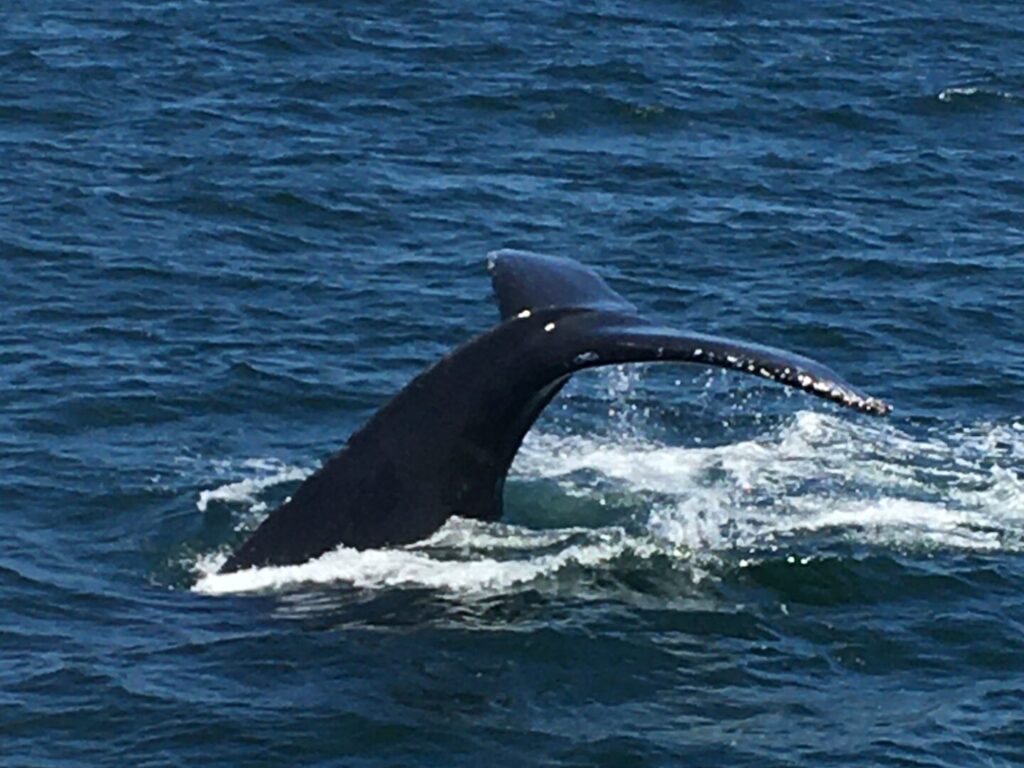
Whale tail above the water in an ocean landscape

Humpback whale | Dr Rachel Seary

E3 team: Dr Rachel Seary and Dr Sophie Elliott

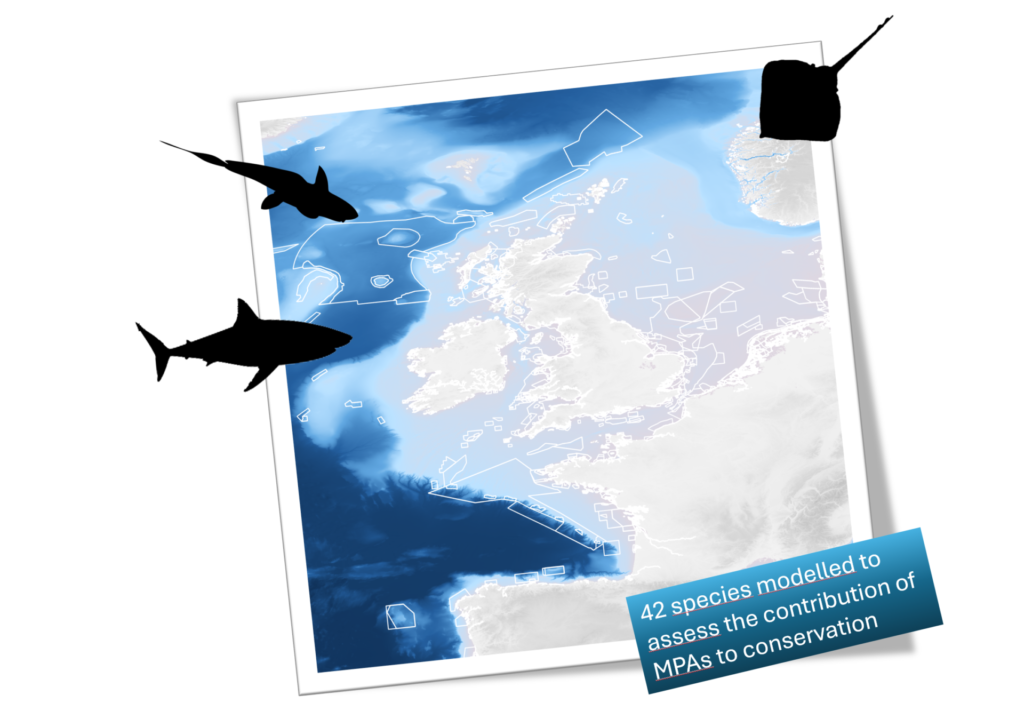
Dynamic Ocean Management, managing human activities according to environmental conditions as they occur, is a rapidly adaptive strategy for the management of the marine environment. This novel approach to marine management could become essential under a changing climate, as the distribution of species and human activities change, and present new needs to resolve unforeseen challenges. This research addresses conflicting priorities that are unlikely to be resolved via traditional static area-based management approaches. This research led by Dr Rachel Seary seeks to evaluate and advance how developing Dynamic Ocean Management approaches can be used to both minimize impact to species and support sustained human activities.

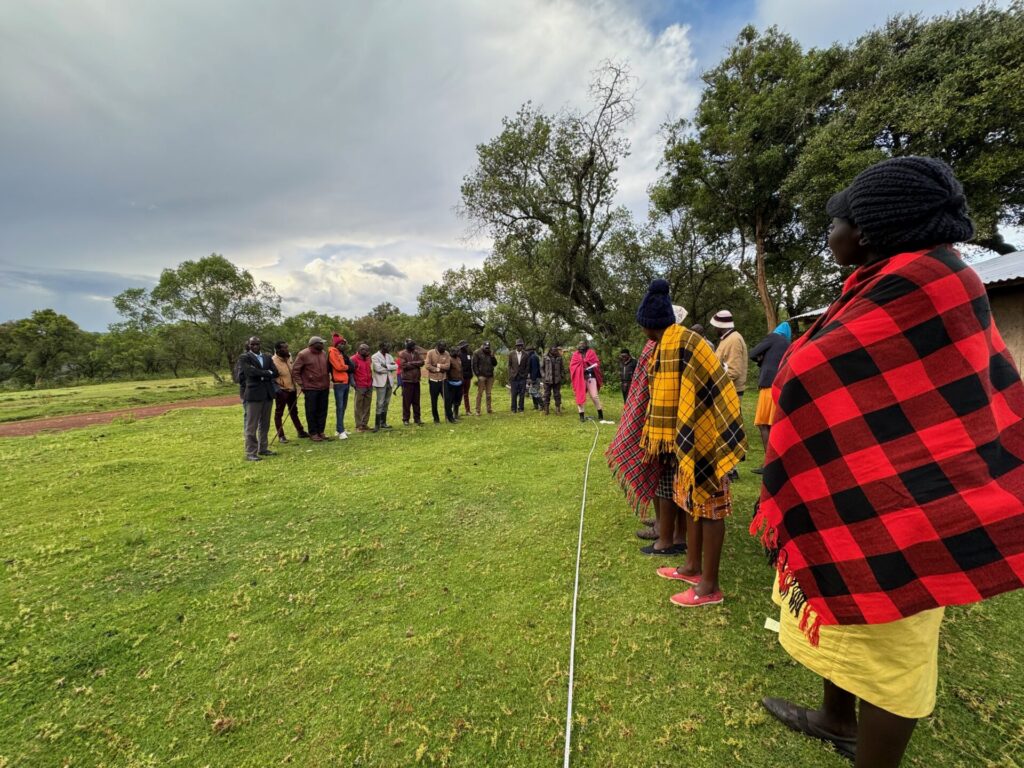
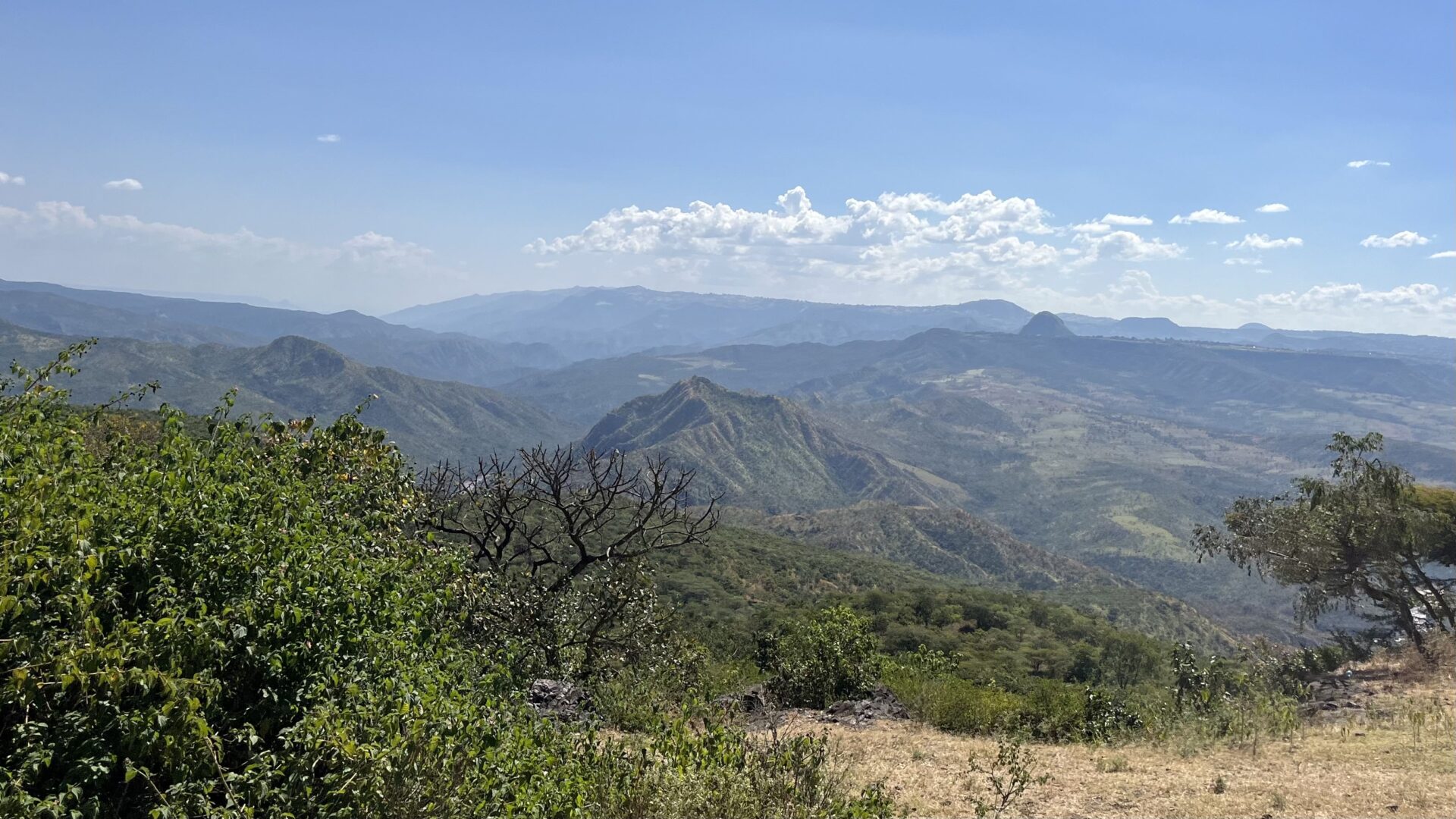
Peer to peer training in structured biodiversity monitoring methods by the Ogiek on Mount Elgon | Stephanie Brittain

E3 team: Stephanie Brittain

Funded by Forest Peoples Programme

This project supports Indigenous Peoples and Local Communities (IP&LCs) to strengthen biodiversity conservation and sustainable resource governance across six countries. Working from the local to the global level, it promotes self-determined approaches to land and resource management, while developing and testing locally led conservation solutions. The project engages governments and other stakeholders to create enabling conditions for recognising and supporting IP&LC contributions to biodiversity conservation. It also facilitates meaningful participation of IP&LCs in National Biodiversity Strategies and Action Plans (NBSAPs) and global Convention on Biological Diversity (CBD) processes, helping ensure that local knowledge and experiences inform biodiversity policy, monitoring, and implementation.

For more information, please visit the project website.