E3 Sharing Space for Nature

Featured story

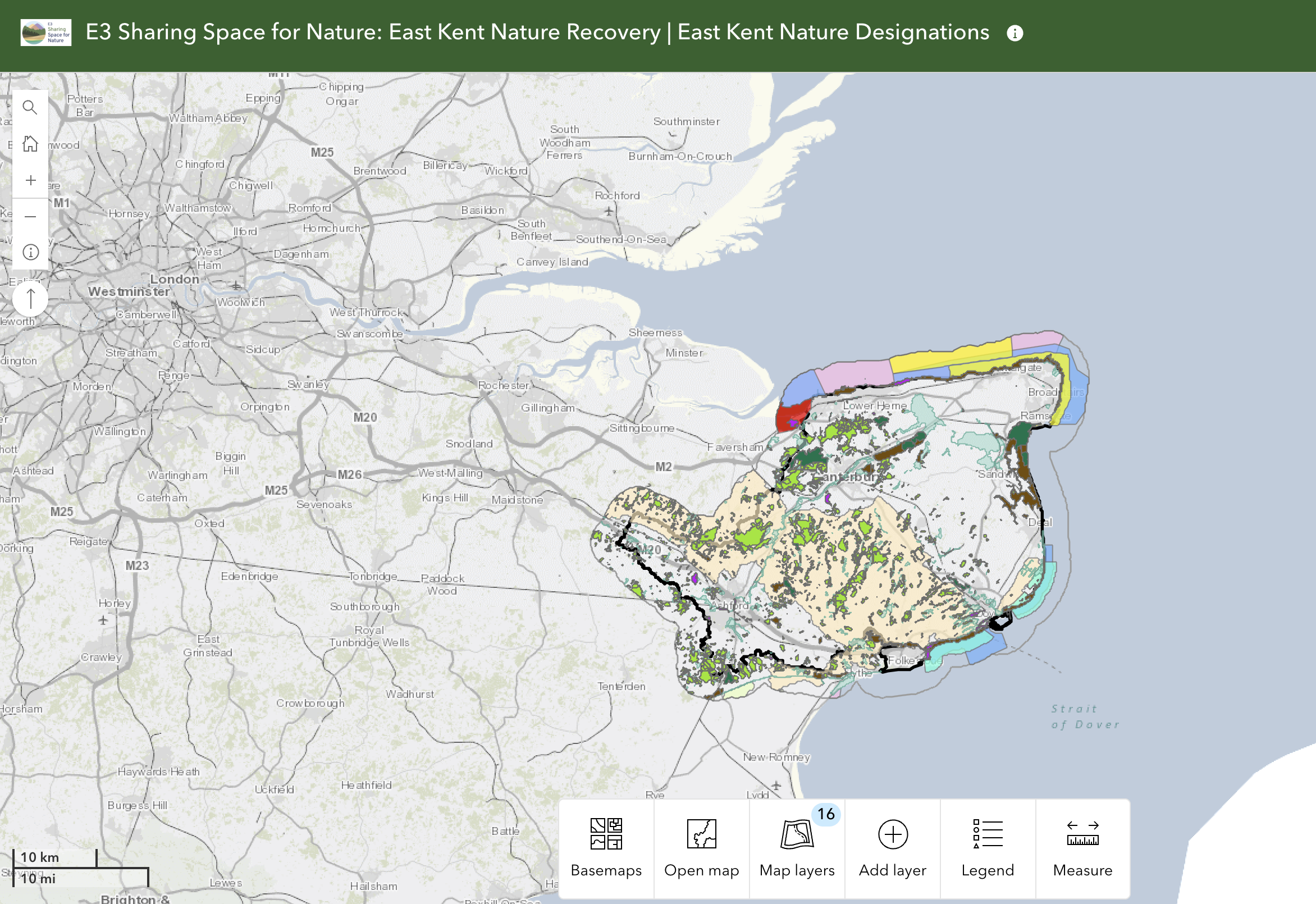
Kent and Sussex Nature Recovery Zones

E3 Sharing Space for Nature

Nature recovery in East Kent has been strongly linked to wilding and rewilding. Wilding is the most high-profile and contested approach for restoring nature in England, and commonly involves re-introducing large herbivores to restore ecological processes and increase biodiversity. Despite its prominence and increasing importance at the national level, England’s wilding research capacity is currently low and mostly focuses on ecology.

Working with other landscape-scale nature recovery projects in Kent and Sussex, our research will garner much deeper insight into the role of wilding, and its associated challenges, for informing broader policy on nature recovery.
Projects


E3 team: Professor Jim Groombridge, Dr Matthew Struebig, Dr Mahmood Soofi, Dr Nicolas Deere, Dr Natalia Zielonka.

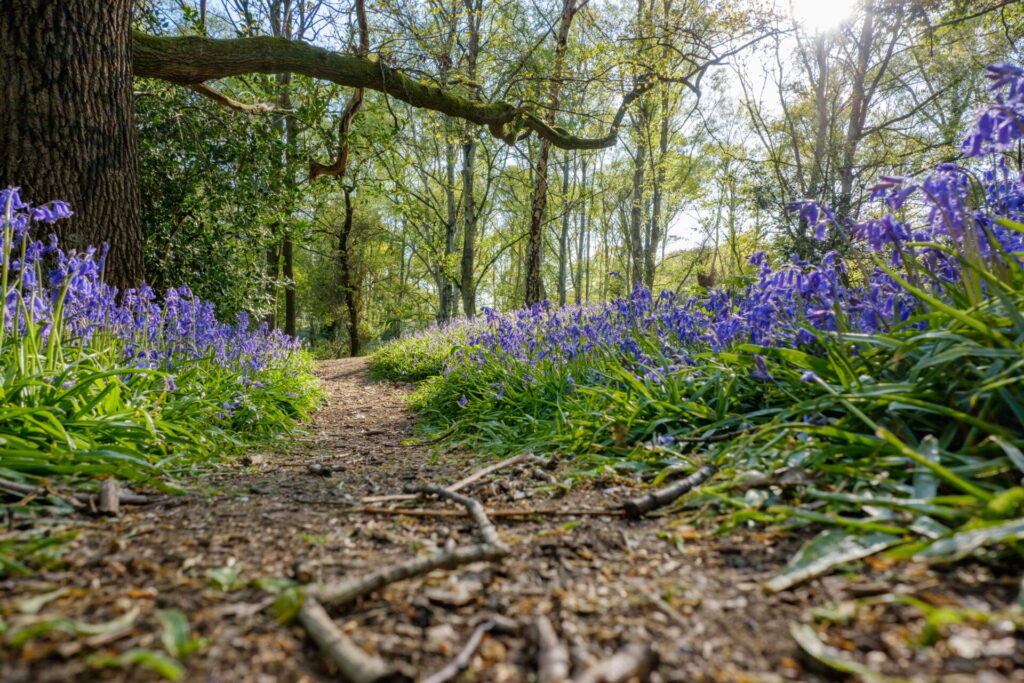
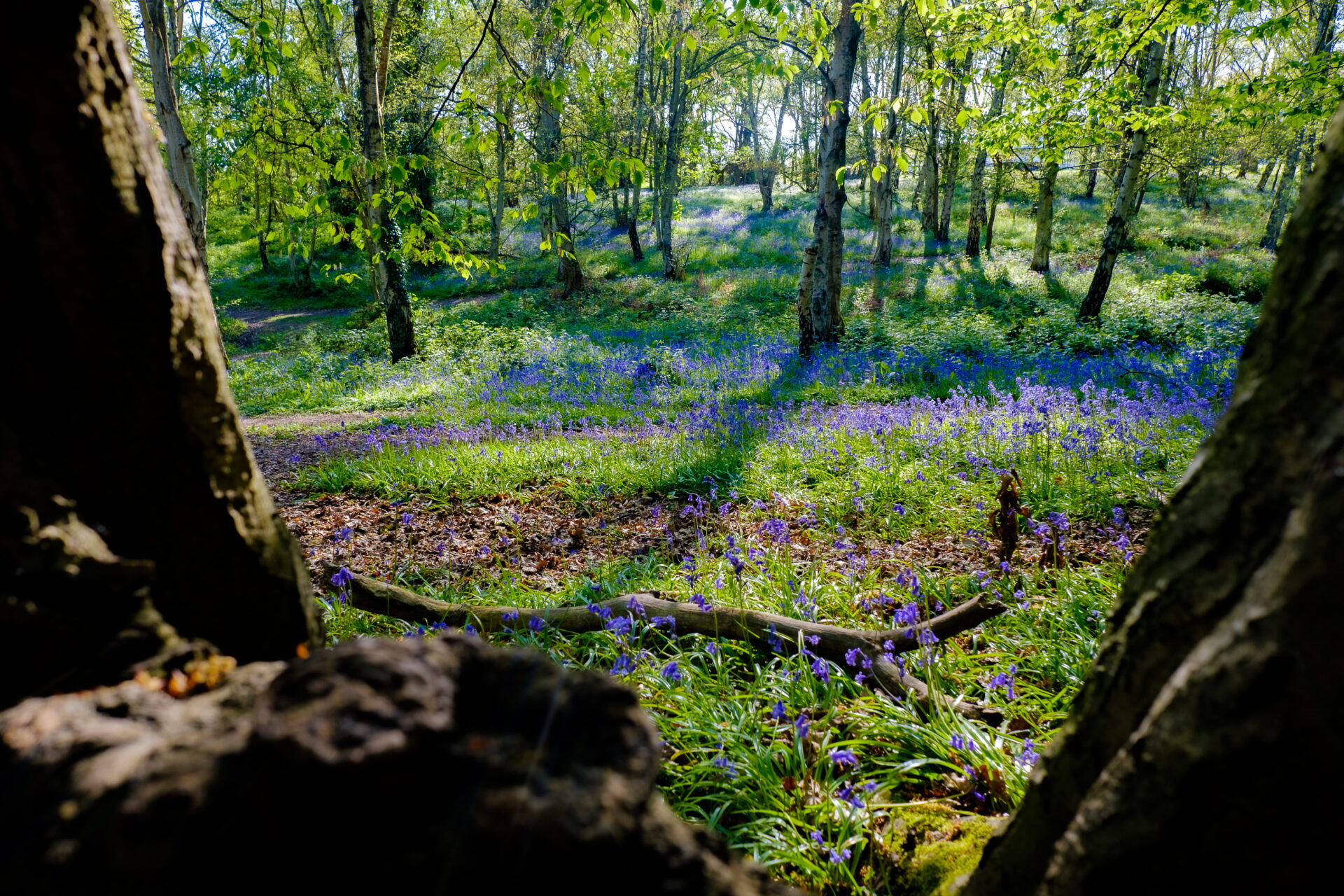
East Kent is home to a pioneering wilding initiative, with European bison introduced to Blean Woods as part of a long-term vision to restore lost ecosystem functions. Other large herbivores, including Exmoor ponies and  longhorn cattle, are also being used to manage woodland, creating a unique natural experiment. In collaboration with Kent Wildlife Trust and Wildwood Trust, this DICE E3 project uses camera traps, bioacoustic recorders and vegetation data to measure how these approaches affect woodland ecosystems. We are investigating how vegetation structure and biodiversity vary between management approaches, and how they change as nature recovery progresses. The project will help develop practical biodiversity monitoring approaches that could strengthen Biodiversity Net Gain assessment and monitoring protocols.

E3 team: Dr Laura Kor and Camilla Sugden

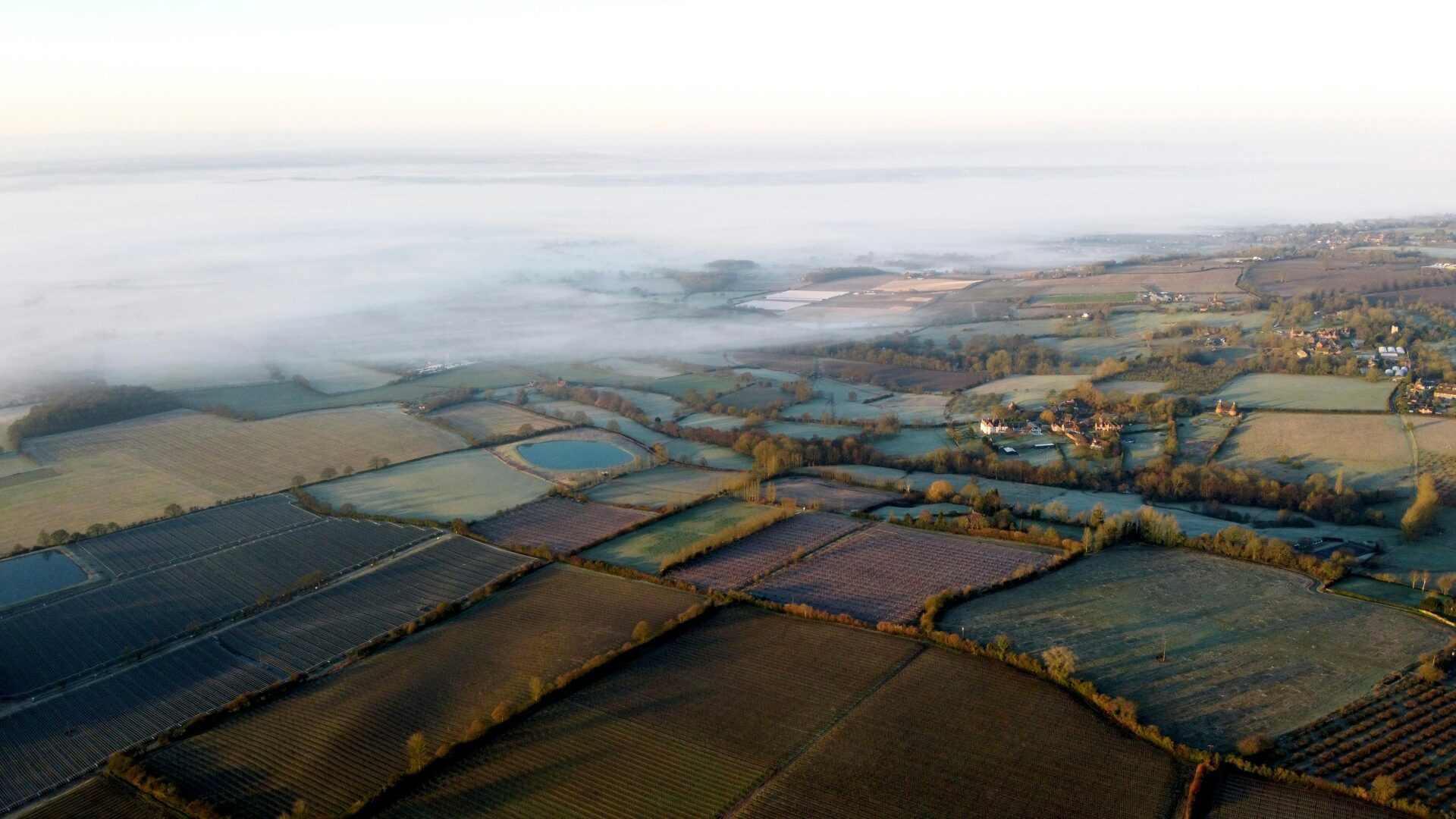
Nature recovery is increasingly promoted as a way to address biodiversity loss while delivering economic returns through new business opportunities and job creation. However, evidence is limited on whether and how restoring nature creates opportunities for local economic development, or the scale and characteristics of the organisations involved. This project explores the emerging nature-based economy in Kent, a county rich in biodiversity and with significant socio-economic challenges. Through analysis of business, charity and organisational datasets, alongside interviews with key stakeholders, the research aims to identify and characterise nature-based enterprises, examine their links to nature recovery, and explore the opportunities and barriers for nature recovery to support local sustainable economic development.

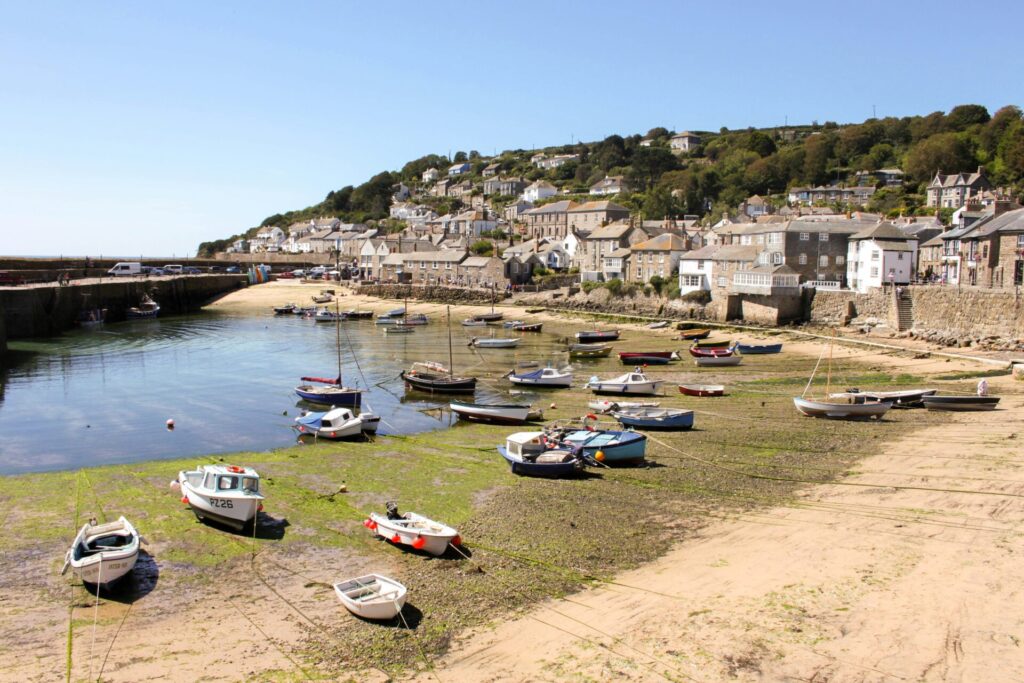
Mousehole Harbour, Cornwall | Karen Uppal via Unsplash

E3 team: Dr Rachel Seary and Dr Sophie Elliott

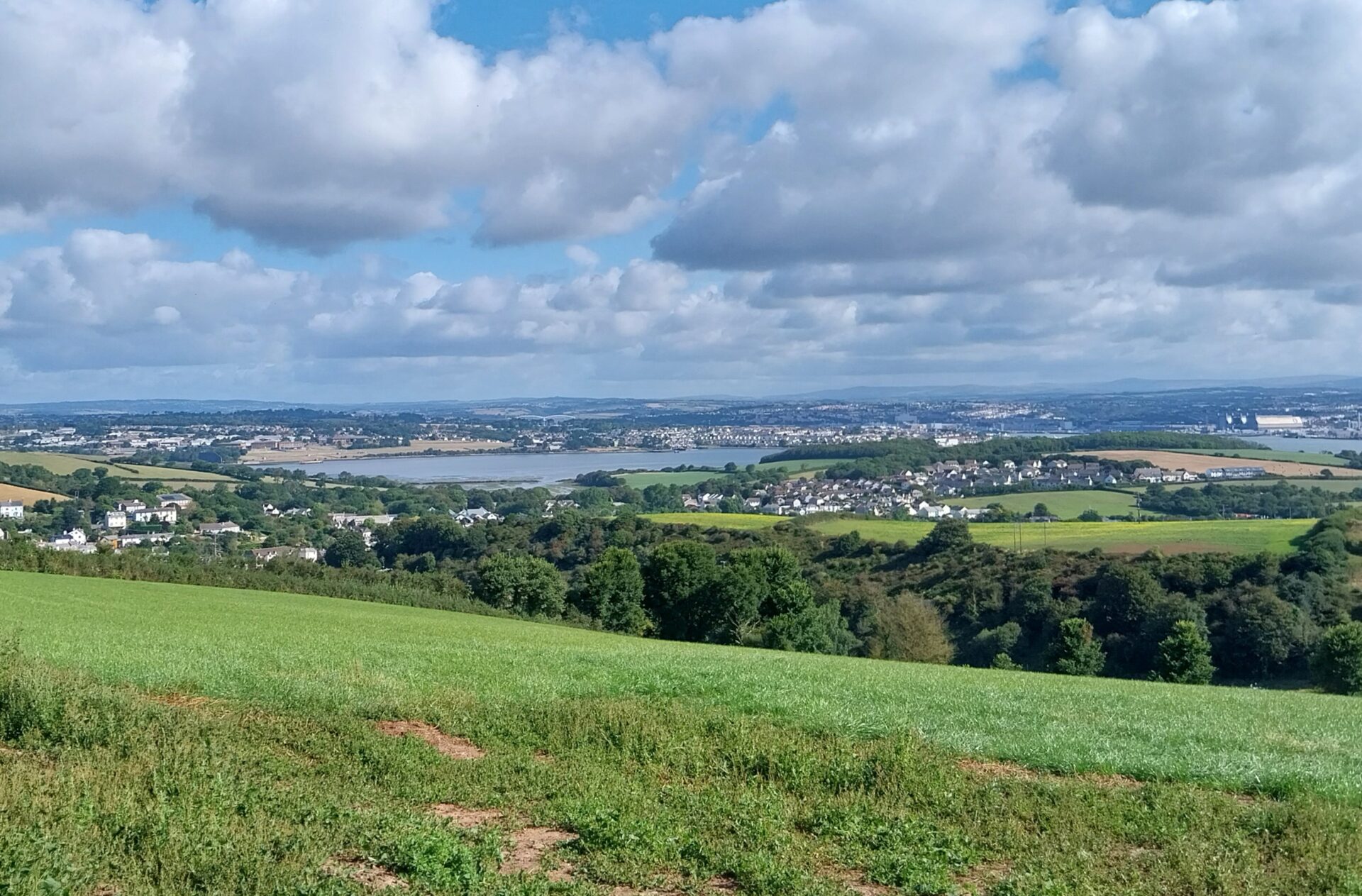
The UK Marine Space is becoming increasingly congested with human activities. This is UK is a global leader in Offshore Wind Development and is also committed to meeting the ‘30×30’ objective, to conserve and effectively manage 30% of marine space through Marine Protected Areas or Other Effective Conservation Measures by the year 2030, as set out in the Kunming-Montreal Global Biodiversity Framework. Thus, competing objectives for biodiversity, net-zero and ‘blue’ economic activities render the UK marine space increasingly squeezed. This ‘spatial squeeze’ can be particularly impactful to the fishing industry. This project, being led by Dr Rachel Seary and Dr Sophie Elliott, aims to understand issues arising for fishing in the UK, initially focussed on Kent, through increasing spatial squeeze, and how multi-functional use of marine space could be optimized.

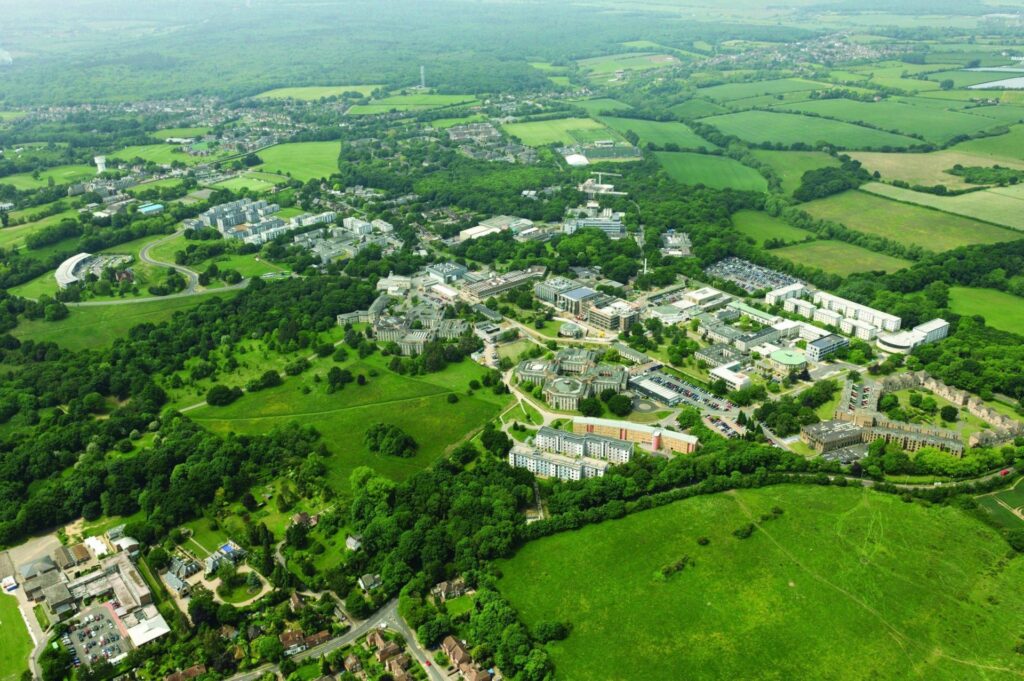
Aerial view of University of Kent campus

E3 team: Dr Laura Kor, Emily Rampling, and Dr Dave Seaman

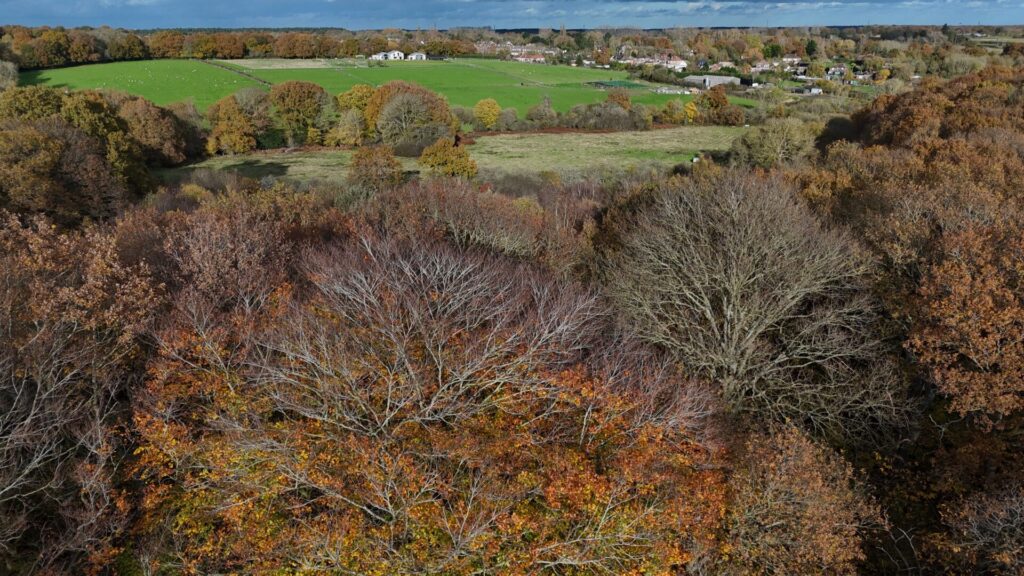
The University of Kent’s Canterbury Campus supports over 1,000 species across a range of habitats, including three ancient woodland sites. Following nine years of implementing a Woodland Management Strategy, DICE Biodiversity Consulting was commissioned by the University’s Grounds and Sustainability Teams to assess woodland condition and update management priorities. Using the UK Habitat Classification (UKHab) and Woodland Condition Assessment (WCA) methodologies, we mapped woodland habitats and evaluated their ecological condition. All sites were classified as lowland mixed deciduous woodland, a Priority Habitat in England. We recorded 104 vascular plant species, including 30 ancient woodland indicators. Based on findings and stakeholder priorities, we developed an action plan centred on enhancing biodiversity and resilience to climate change, while supporting the woodlands’ role in education, research and wellbeing. Implementation will contribute to the vision for nature recovery across the wider Blean landscape.

For more information, view the full report or read more on our blog.