A Pilot Evaluation of Co-Produced Palliative Dementia Care Resources for Care Workers Hesitant to Engage with Death and Dying
Funder: NIHR Research Programme for Social Care – £250,000
Start Date: 01/10/25
End Date: 30/06/27
What is this project about?
This project is developing practical resources to help care workers support people living with dementia at the end of their lives. To make these resources effective, we are working closely with the people who know this care best: care workers themselves, people living with dementia, and their care partners / supporters.
We are using ideas from behaviour change research, which recognises that knowing what to do isn’t always enough – people also need confidence, encouragement, and the right support to act differently. By combining co-production with behaviour change theory, we aim to create resources that help care workers feel confident and prepared to provide sensitive and high-quality end-of-life care for people with dementia.
Why is this project needed?
There are nearly a million people in the UK living with dementia. Most of them will be cared for at home or in care homes at the end of their lives. While care workers are well-placed to provide this care, many feel unsure or hesitant about discussing death, comfort care, or end-of-life planning.
Current training and resources mainly focus on building knowledge, but knowledge alone often doesn’t change behaviour – especially around difficult topics like death. Existing resources also rarely focus specifically on dementia care, are rarely co-produced with the people most affected, and have not been evaluated for how well they help care workers.
This project fills that gap by creating dementia-specific, co-designed resources that address care workers’ skills, confidence, and the support they need to deliver palliative care.
What will happen during the project?
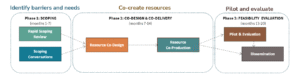
The project will run in three main phases:
Phase 1: Exploring needs
- We will review existing research and resources.
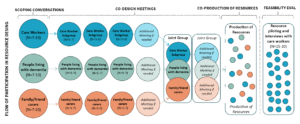
- We will hold conversations with care workers, people living with dementia, and family carers to understand the challenges, worries, and support needs around end-of-life care.
Phase 2: Co-designing resources
- Small groups of care workers, people living with dementia, and care partners / supporters will work with researchers to design and produce the resources.
- The groups will decide together what is most important to cover, how resources should look, and how they could help care workers in real-life situations.
- The process is flexible: resources could include videos, infographics, discussion guides, or other formats, and group meetings can be tailored to participants’ needs.
Phase 3: Testing and refining
- Care workers will try out the resources and give feedback on how clear, useful, and practical they are.
- We will use methods that make it easy to share opinions, including one-on-one interviews and “think-aloud” exercises.
- Feedback will be used to refine the resources before they are shared more widely.
Who is working on the project?
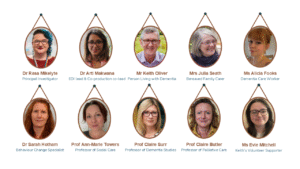
The research team members are listed below, and involve not only researchers, but people with lived and practice experience. We will not be developing the resources on our own. Co-design groups of people living with dementia, supporters/care partners of people with dementia, and care workers will define what the resources will look like and what they will focus on.
I would like to get involved! What might that look like?
We are looking for people who want to help shape resources to support care workers providing end-of-life care for people living with dementia.
You can take part if you are:
- A care worker in any setting (home care, care/nursing home, live-in care, etc.)
- A person living with dementia
- A current or former family supporter / care partner of someone with dementia
- Able to attend in-person meetings in Canterbury
Taking part could involve:
- Sharing your experiences and ideas in small group discussions or one-to-one chats
- Helping design and shape resources such as videos, guides, or role-play scripts
- Attending workshops to discuss and refine resources
Travel costs can be reimbursed, and participants are paid for their time.
If you’d like to find out more or get involved, please get in touch with our team. We’ll explain what’s involved and answer any questions you have.
Who funded the project?
This project has been funded by the National Institute for Health and Care Research (NIHR).
Who can I contact for more information?
If you would like to get involved in the project or if you have any questions and comments, please contact Rasa Mikelyte on R.Mikelyte@kent.ac.uk or Arti Makwana on a.p.makwana-37@kent.ac.uk