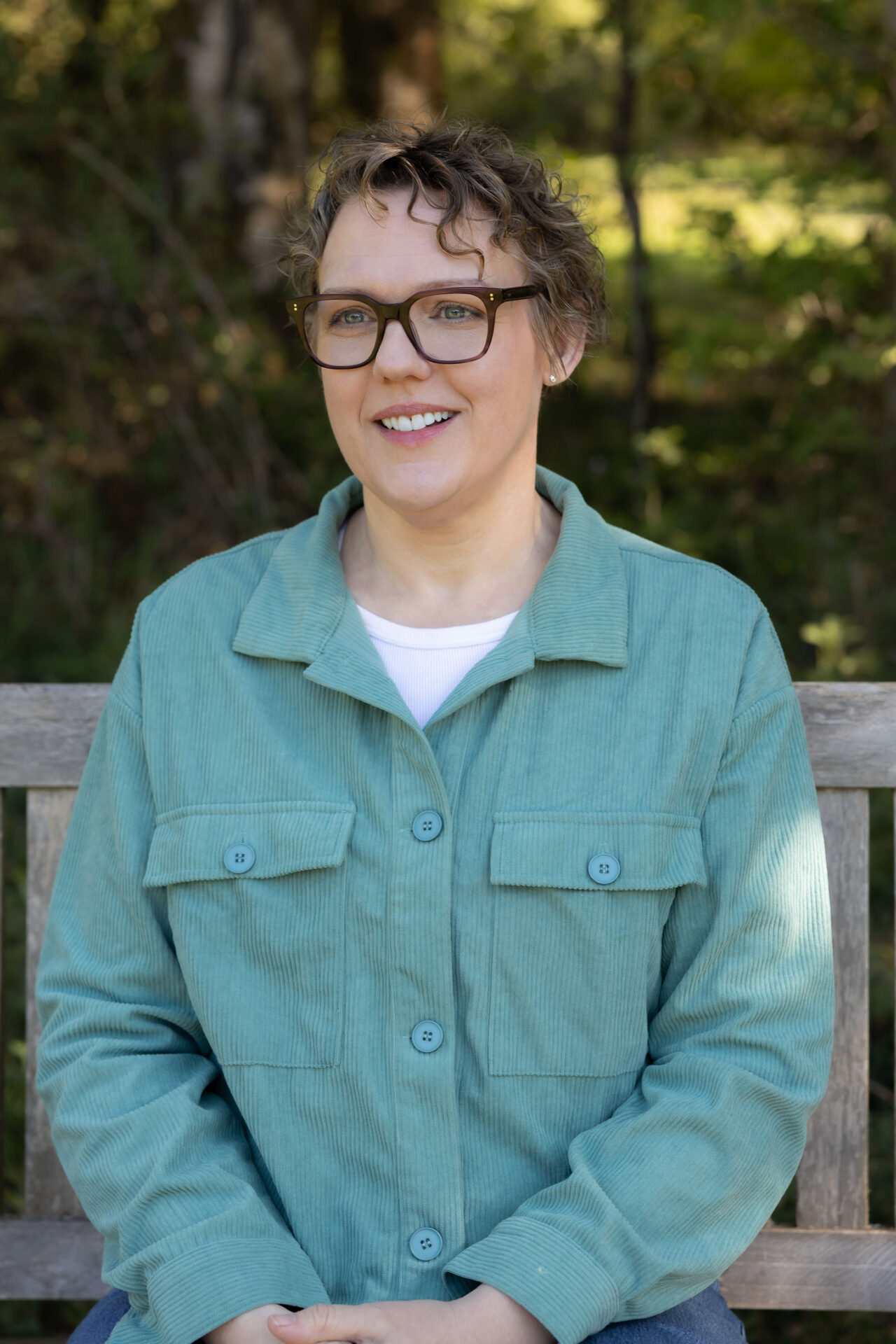
Dr Emily McKean
About
Emily McKean is a Research Associate at the Centre for Health Services Studies. She joined CHSS in 2015 as a doctoral researcher following a career as an Occupational Therapist and Care Manager across community, hospital, and hospice settings. She remains registered with the Health and Care Professions Council.
Her doctoral research examined the discharge of older adults living with frailty from community hospitals, with a particular focus on end-of-life care. This work generated a theoretically informed account of how discharge decisions are shaped by organisational pressures, professional dynamics, and the marginalisation of patient and carer perspectives. She retains a strong research interest in older people’s care, frailty, and end of life, particularly in relation to service integration, decision making, and patient and carer experience.
Since joining CHSS as a member of staff in 2021 she has contributed to a range of applied health research projects, with a focus on improving service design through the integration of patient, carer, and community perspectives. Her research is characterised by a strong emphasis on qualitative and participatory approaches, including the development of trauma aware and culturally competent models of patient and public involvement. She has expertise in working with underserved groups and in embedding co production within complex health research contexts.
More recently her work has extended into education and inclusion. Drawing on her occupational therapy background, she is developing an assessment led participation framework for mainstream secondary schools, aimed at addressing unmet need among pupils who do not meet statutory thresholds for support but experience significant barriers to learning and engagement. This programme seeks to translate clinical and functional assessment into practical, scalable approaches within everyday classroom practice.
Across her work Emily’s research focuses on intersections of health, care, and education systems, with an emphasis on participation, equity, and the translation of evidence into practice.
Research interests
• Occupational Therapy approaches to health and education: Using Occupational therapy informed approaches to participation, inclusion, and service design across health, care, and education systems, with a focus on translating functional and contextual assessment into practical, person-centred interventions.
• Older People: Focusing on the health, care, and social needs of older adults, especially in frail and end-of-life contexts.
• Frailty: Investigating the physical, emotional, and social aspects of frailty and how it impacts healthcare delivery and quality of life.
• Carer Roles and Burden: Examining the experiences of family carers, including the emotional, physical, and financial burdens they face.
• End of Life: Exploring how to improve care for individuals approaching the end of life, with an emphasis on dignity, comfort, and holistic care.
• Health and Social Care Integration: Investigating ways to improve collaboration between health and social care services to ensure seamless, patient-centred care.
• Trauma: Exploring the role of trauma in health outcomes, particularly in how past trauma influences individuals’ interactions with healthcare systems and impacts long-term health, including kidney and other organ health.
• Patient and Public Involvement (PPI): Ensuring that research includes the perspectives of patients and the public, fostering a participatory approach to healthcare research.
• Qualitative Methods: qualitative research methods to explore the lived experiences of individuals, with a focus on understanding personal and social factors influencing health and healthcare access
Supervision
Emily welcomes interest from postgraduate (PhD and Masters) students in areas broadly matching my research interests and experience, including:
• Frailty
• End-of-life care
• Health and social care integration
• Carer roles and burdens
• Occupational Therapy
• Special Educational Needs
• Trauma and health outcomes
• Women’s health
• Patient and Public Involvement (PPI)
• Qualitative research methods
Professional
Health and Care Professionals Council (HCPC) registered Occupational Therapist
Research Interest Highlights
- PhD examining the discharge of older adults living with frailty from community hospitals, with a particular focus on end-of-life care, organisational pressures, professional decision making, and patient and carer experience.
- Applied health services researcher with expertise in qualitative and participatory methodologies, including co production and Patient and Public Involvement approaches within complex health and care research.
- Development of trauma aware and culturally competent Patient and Public Involvement approaches designed to improve inclusion and engagement of underserved communities within research.
- Experience conducting evaluations of health and social care services, including integrated and community-based models of care, with a focus on implementation, service delivery, patient experience, and system improvement.
- Research interests spanning health, social care, and education systems, including occupational therapy informed approaches to participation, inclusion, and functional support within mainstream schools.
- Strong interest in implementation and translation of research into practice, particularly in relation to equity, participation, and improving outcomes for patients, carers, and communities.
- HCPC registered Occupational Therapist with previous clinical and care management experience across community, hospital, intermediate care, and hospice settings, providing a clinically informed and practice grounded perspective to research.