Our lab is primarily interested in cellular processes, using live cell imaging and biochemistry techniques. Our research has led to the development of new recombinant protein technologies, including our Vesicle Nucleating peptide (VNp) system.
Proteins are often referred to as the building blocks of life. Being able to produce purified proteins in a laboratory has revolutionised everything from the study of biological processes to our ability to treat medical conditions such as diabetes.
One of the easiest methods of protein production is the genetic modification of bacterial cells to produce recombinant proteins. Bacteria are cheaper, faster growing and easier to work with than alternatives, such as mammalian cells. However, they do have their limitations. They can’t normally be used to produce complex proteins such as antibodies, they sometimes produce proteins which are mis-folded or form insoluble aggregates. Some proteins, such as DNase, are also toxic to bacteria, killing the cells before sufficient yields can be produced.
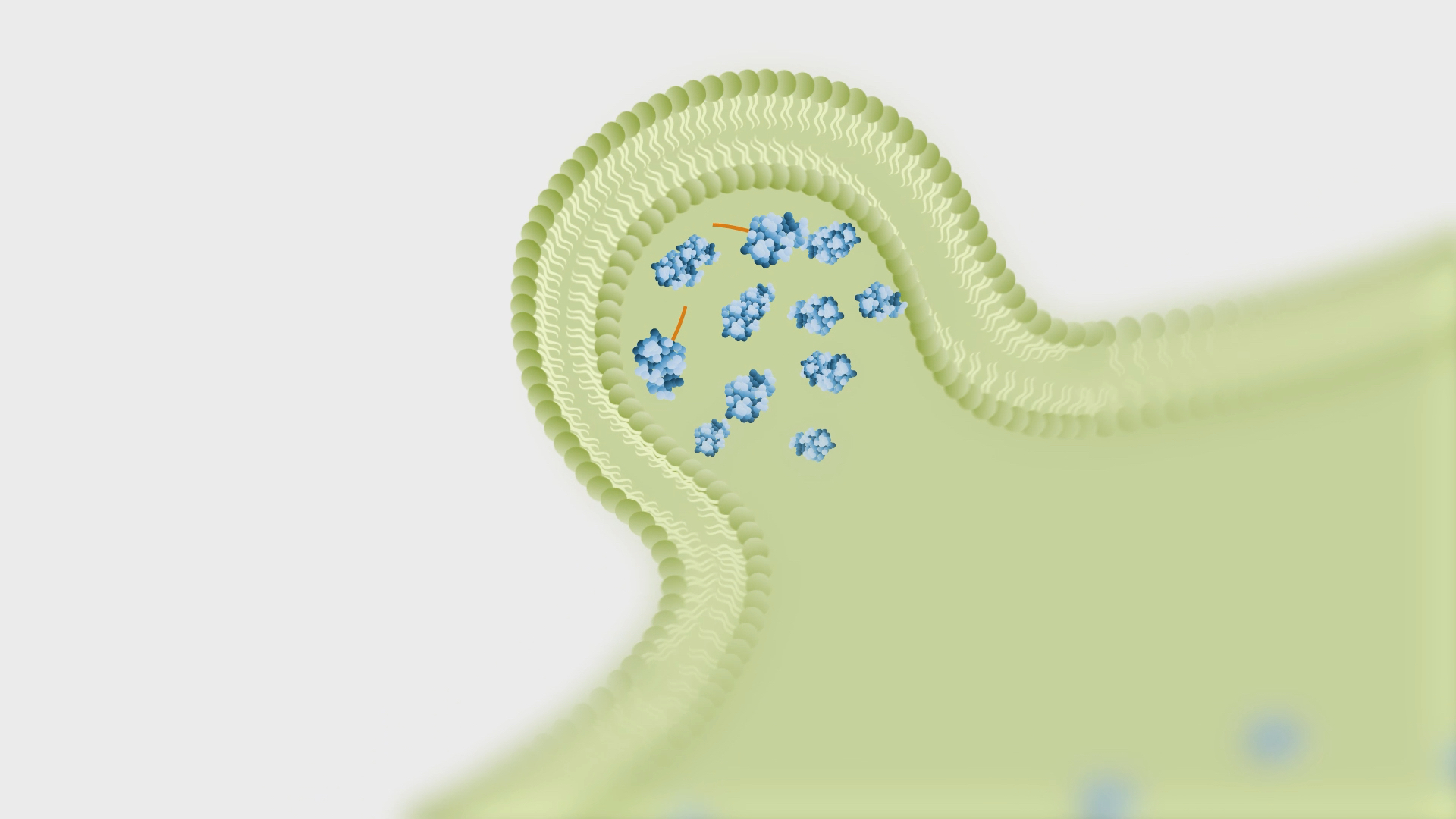
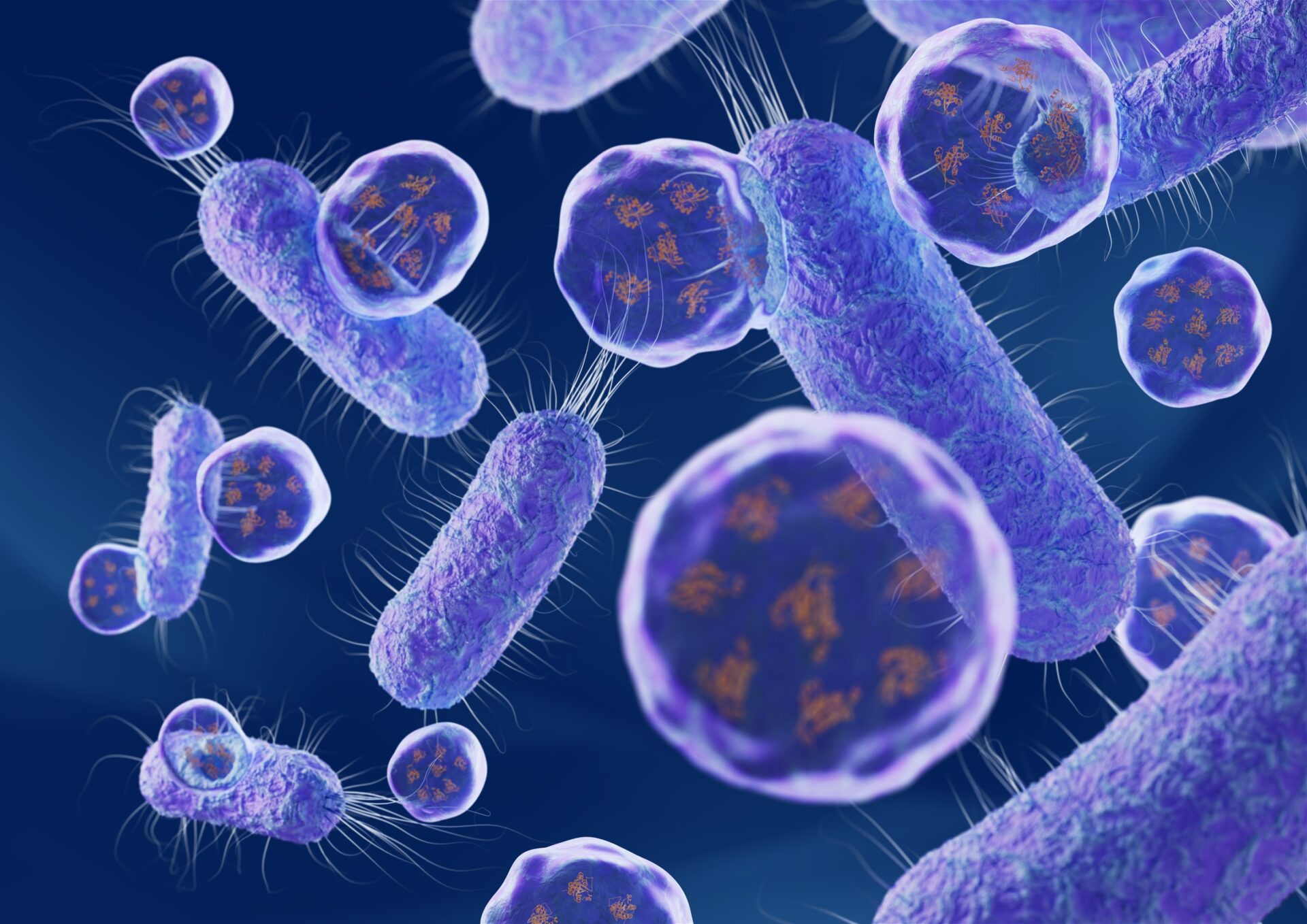
We have created technologies which resolve some of the limitations to using bacteria for recombinant protein production. One of our technologies, the VNp system, is a short peptide sequence which when added to the protein of interest causes it to be transported out of the cells and into membrane bound packages called vesicles. Using this system allows:
- Production of protein complexes (e.g. antibodies)
- Production of toxic proteins (e.g. DNAse)
- Easy purification (simple filtration)
- Increased protein yields (~50x more)
- Increased solubility of proteins
- Isolation of protein without harvesting/lysing cells
- Longer-term storage and viability of proteins