
Projects
KAIROS participates in a diverse portfolio of funded projects, international collaborations, strategic initiatives, and completed research programmes spanning astrochemistry, irradiation science, astrophysics, and related interdisciplinary areas. This page brings together current activities and past projects that contribute to the development of the group’s research, partnerships, and scientific infrastructure.
Current Funded Projects
These projects support ongoing research and infrastructure development in astrophysics, astrochemistry, irradiation science, and related interdisciplinary fields through national and international funding schemes.
 INDICO – INnovative DIgital COntrol for 3D Nanoprinting
A COST Innovation Grant (IG20129) arising from COST Action CA20129 MultIChem. The INDICO project aims to develop an innovative digital control tool for computer-guided 3D nanoprinting based on focused electron and ion beam induced deposition (FEBID and FIBID). By integrating multiscale modelling with advanced pattern generation software, INDICO enables precise fabrication of nanostructures with tailored electronic, optical, magnetic, and thermomechanical properties. The project brings together leading European academic and industrial partners to advance controllable nanofabrication for scientific and industrial applications.
End date: 31/10/2026.
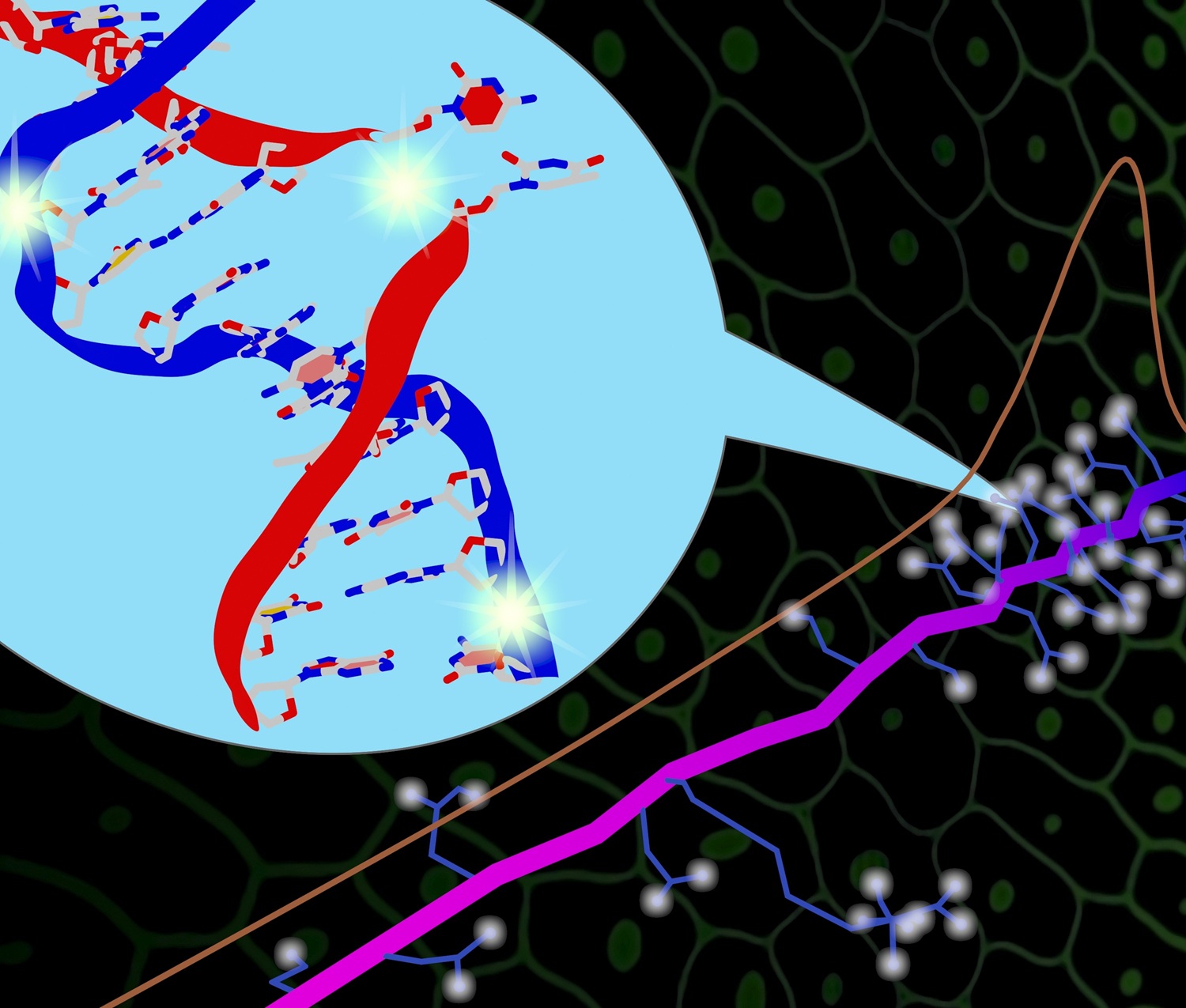 MS-RADAM – MultiScale Phenomena in Radiation Damage
A Marie Skłodowska-Curie Actions (MSCA) Doctoral Network funded under Horizon Europe (Grant Agreement No. 101225527). MS-RADAM aims to advance the understanding of radiation effects on biological systems through an innovative combination of multiscale modelling and experimental techniques. The project investigates radiation-induced processes across spatial and temporal scales, from charged particle interactions in biological media to subsequent chemical and thermal effects. By bridging theory and experiment, MS-RADAM contributes to improvements in particle therapy, radiobiology, and radiation-based technologies. The consortium will train 14 doctoral candidates, equipping them with interdisciplinary expertise to drive future innovations in radiation science.
End date: 31/12/2029.
 NUBIAN – Naphthoquinoidal Compounds for Bioimaging and Innovations Against Neglected Diseases in Brazil and Sierra Leone
A Royal Society International Science Partnerships Fund (ISPF) project dedicated to the development of novel naphthoquinoidal compounds targeting neglected tropical diseases. Integrating experimental and theoretical approaches, NUBIAN focuses on the design and synthesis of innovative 1,4-naphthoquinone hybrids using click chemistry and sulfur(VI) fluoride exchange (SuFEx) reactions. Computational studies guide reaction mechanisms, enable high-throughput screening, and explore fluorescent properties for potential bioimaging applications. Addressing Chagas disease and Human African Trypanosomiasis, the project directly contributes to the United Nations Sustainable Development Goal 3 (Good Health and Well-Being). A central outcome is the establishment of the Sierra Leone–UK Centre for Advanced Studies on Tropical and Infectious Diseases (SLUK-CASTRID), strengthening research capacity, fostering international collaboration, and promoting equitable scientific partnerships.
End date: 12/12/2027.
 PLANETS – The Birth of Solar Systems
A COST Action dedicated to advancing our understanding of how solar systems form from the dust, gas, and ice surrounding young stars. By integrating experimental studies, theoretical modelling, and astronomical observations, PLANETS fosters an interdisciplinary European network to address fundamental questions in planet formation and protoplanetary disc evolution. The initiative supports collaborative research, training of early-career scientists, and the dissemination of knowledge, contributing to a holistic picture of the origins and diversity of planetary systems.
End date: 25/09/2027.
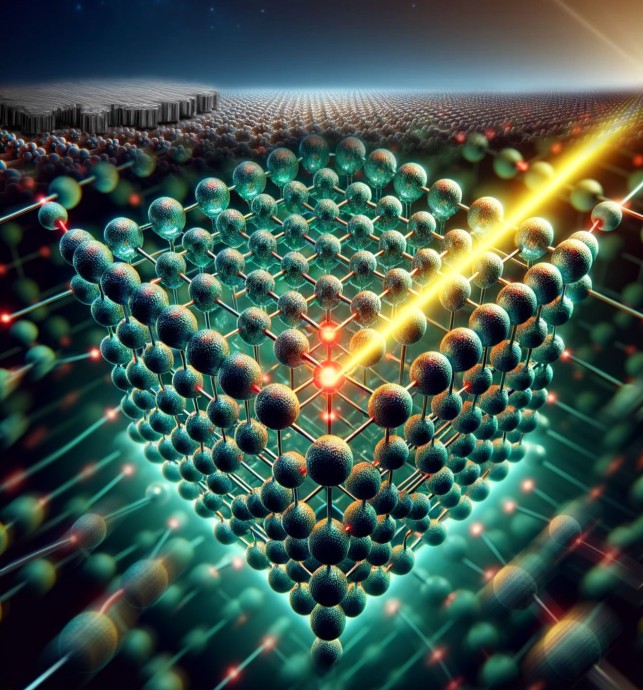 PRISMA – Post-Irradiation Multiscale Dynamics of Materials
An interdisciplinary research initiative dedicated to advancing the understanding of irradiation-driven phenomena in materials through multiscale modelling and experimental validation. PRISMA aims to establish a rigorous theoretical framework linking atomic-, nano-, and microscopic effects to macroscopic material behaviour. The project employs advanced computational approaches—including relativistic molecular dynamics, reactive molecular dynamics, irradiation-driven simulations, and stochastic dynamics—validated through cutting-edge experiments conducted by international partners. Focusing on applications such as microscopy, material functionalisation, radioresistance, controlled nanofabrication, and crystal-based gamma-ray light sources, PRISMA contributes to technological innovation in radiation science and materials engineering. The consortium also provides comprehensive interdisciplinary training for researchers and early-career innovators.
End date: 31/12/2029.
 TENETEHARA – The Tenetehara Periodic Table: Chemistry and Language for Inclusion
A Royal Society of Chemistry Inclusion and Diversity Fund project dedicated to promoting inclusive science education and cultural preservation. Developed in partnership with GEDAI Amazônia and the Tembé community in the Brazilian Amazon, the initiative will co-create a bilingual Tenetehara periodic table featuring recorded pronunciations and cultural narratives inspired by Tembé sky-creation stories. Produced in Tenetehara, Portuguese, and English, the resource will support local education while enabling global dissemination. The project includes community consultation, linguistic validation, and the development of a digital multimedia platform integrating text, audio, and cultural context. Coordinated by the University of Kent, with international dissemination supported by Europlanet, TENETEHARA aims to establish an open-access database of chemical elements in indigenous languages. This pioneering initiative provides a scalable model for inclusive chemistry education worldwide, with interest already expressed by communities working in Zapotec, Santali, and Yoruba languages.
End date: 31/12/2026.
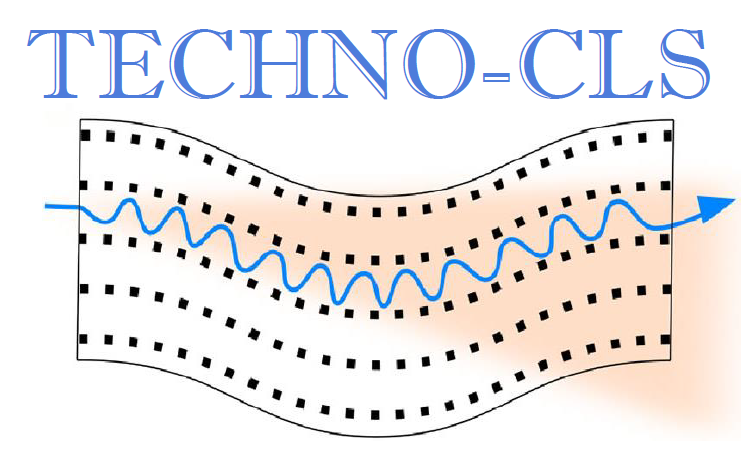 TECHNO-CLS – Emerging Technologies for Crystal-Based Gamma-Ray Light Sources
A Horizon Europe European Innovation Council (EIC) Pathfinder project dedicated to the development of breakthrough technologies for novel gamma-ray light sources based on the interaction of ultra-relativistic charged particles with oriented crystals. Building on earlier advances from FP7 and H2020 collaborations, TECHNO-CLS combines theoretical, computational, experimental, and technological research to advance crystalline channelling radiation emitters, crystalline synchrotron radiation emitters, and crystalline undulators. The project aims to pave the way for practical realisation of next-generation gamma-ray light sources with applications in nuclear physics, solid-state science, and the life sciences.
End date: 31/05/2027.
Active Initiatives and Consortia
These initiatives strengthen international partnerships and support the development of innovative research directions aligned with the KAIROS mission.
BALSA – Balloon-borne Laboratory for Stratospheric Astrophysics
An international consortium dedicated to advancing research in near-space environments through high-altitude balloon missions. BALSA provides a versatile and cost-effective platform for investigating astrophysical, astrochemical, astrobiological, and radiation-driven processes under stratospheric conditions. Operating at altitudes of up to 40 km, the initiative enables experiments in low-pressure, low-temperature, and high-radiation environments, bridging the gap between ground-based laboratories and space missions. The project fosters interdisciplinary collaboration, technological innovation, and international partnerships across Europe and Latin America.
 CHIMERA – Chemistry International Mentorship Alliance
An international mentoring initiative that connects postgraduate researchers (PGRs) and postdoctoral research associates (PDRAs) with external co-supervisors and mentors to foster global collaboration and professional development. CHIMERA provides invaluable international experiences, broadening scientific perspectives and strengthening interdisciplinary networks within the chemical sciences. Mentorship is delivered through regular—typically weekly—virtual meetings, ensuring sustained engagement, meaningful guidance, and impactful learning opportunities. By promoting inclusivity, knowledge exchange, and international mobility, CHIMERA contributes to the development of the next generation of globally connected scientists.

Europlanet is an international organisation dedicated to promoting the advancement of planetary science and related disciplines through research, education, innovation, and collaboration. Building on more than two decades of European Commission-funded initiatives, Europlanet provides a sustainable framework for scientific infrastructure, including transnational access to facilities, virtual services, training, and community support. As the parent body of the Europlanet Science Congress (EPSC), the largest annual planetary science meeting in Europe, Europlanet plays a central role in fostering international cooperation and strengthening the global planetary science community.
 Europlanet Regional Hub Colombia – Advancing Planetary Science in Latin America
An international initiative dedicated to strengthening collaboration between Colombia, Latin America, and the wider Europlanet community. The Hub promotes research, education, innovation, and infrastructure development in planetary science, astrobiology, and related disciplines, while fostering diversity, inclusion, and ethical engagement. Supporting Europlanet’s mission of expanding regional outreach, the initiative positions Colombia as a strategic bridge between Latin America and Europe. Its activities encompass research in extreme environments, astrochemistry, planetary geology, astronomy, microbiology, computational physics, and science education, alongside the development of space instrumentation, simulations of prebiotic processes, and specialised training. Through outreach and international partnerships, the Hub contributes to equitable access to knowledge and the global advancement of planetary science.
 MOLESs – MOLecular Excited State spectroscopy
An international scientific initiative dedicated to modernising and expanding Melvin Robin’s seminal three-volume series, Higher Excited States of Polyatomic Molecules. MOLESs aims to compile authoritative and comprehensive data on the excited states of molecular systems, including valence and Rydberg states, integrating experimental absorption spectra from vacuum ultraviolet (VUV), extreme ultraviolet (EUV), and photoelectron spectroscopy (PES) with advanced theoretical calculations such as density functional theory (DFT) and time-dependent DFT (TDDFT). The project will produce curated datasets and critical reviews in both e-book and online formats, adhering to FAIR data principles. By fostering international collaboration in spectroscopy and theoretical chemistry, MOLESs seeks to preserve foundational knowledge, standardise future contributions, and identify emerging research directions in molecular science.
Completed Projects
These projects have contributed to the scientific foundations and international collaborations that underpin the current research activities of KAIROS.
 CROP – Copper Catalysts for Controlled Radical Photopolymerisation
An international theoretical–experimental collaboration between São Paulo State University (UNESP) and the University of Kent dedicated to the study of copper-based photocatalysts for controlled radical photopolymerisation (CRP). The project investigates the structural, electronic, and photochemical properties of Cu(II) complexes with asymmetric N-heterocyclic carbene (NHC) ligands. Computational studies conducted at the University of Kent provide mechanistic insights and guide catalyst design, while experimental research is carried out at the Laboratory of Organometallic Catalysis and Materials (LaCOM) at UNESP. This work contributed to the optimisation of advanced photopolymerisation technologies with applications in modern materials science.
End date: 30/09/2025.
 Europlanet 2024 RI – Europlanet 2024 Research Infrastructure
A Horizon 2020 Research Infrastructure project (Grant Agreement No. 871149; 2020–2024) that strengthened Europe’s leadership in planetary science and space exploration. Coordinated by the University of Kent, Europlanet 2024 RI provided transnational access to world-leading laboratory and field facilities, virtual access to advanced data services and tools linked to the European Open Science Cloud (EOSC), and networking activities to expand global collaboration. By fostering scientific excellence, innovation, and international partnerships, the project supported research addressing key challenges in planetary science, astrobiology, and space technology.
End date: 31/07/2024.
 MAUVE – A UV satellite for space science
A Horizon Europe Research and Innovation Action (Grant Agreement No. 101082738) dedicated to the development of a ready-to-launch CubeSat for ultraviolet (UV) space astronomy. MAUVE was designed to observe stellar variability and flaring activity to improve our understanding of stellar environments and their influence on exoplanet habitability. The mission demonstrated the potential of CubeSats to deliver high-quality scientific data complementary to major ESA and international space observatories, advancing Space 4.0 capabilities through innovative public–private partnerships.
End date: 31/10/2025.
 MultIChem – Multiscale Irradiation and Chemistry-Driven Processes and Related Technologies
A COST Action (CA20129, 2021–2025) that established a broad international, interdisciplinary, and intersectoral network to advance the fundamental understanding of irradiation-driven processes across multiple scales. By integrating pioneering computational methods with state-of-the-art experimental techniques, MultIChem promoted research in applications such as controlled nanofabrication, nanocatalysis, radiosensitising nanoparticles, and radiation-based therapies. The Action fostered scientific collaboration, technological innovation, and socio-economic impact while strengthening links between academia, industry, and research infrastructures across Europe and beyond.
End date: 03/10/2025.
 N-LIGHT – Novel Light Sources: Theory and Experiment
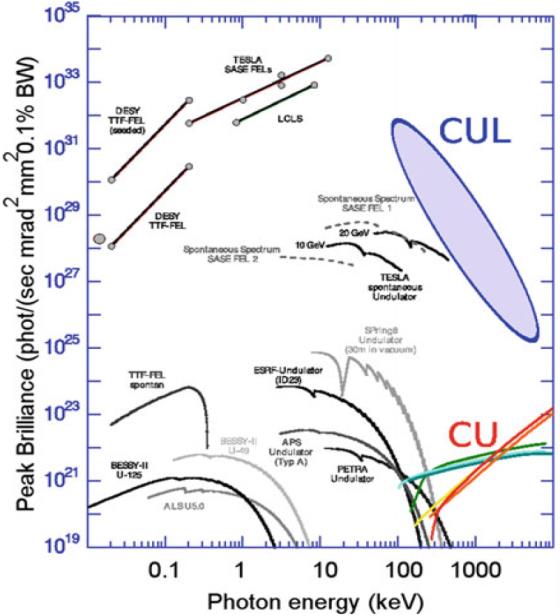
A Horizon 2020 Marie Skłodowska-Curie Actions Research and Innovation Staff Exchange (MSCA-RISE) project dedicated to the development of next-generation gamma-ray light sources. N-Light combined theoretical, computational, and experimental approaches to investigate the interaction of ultra-relativistic charged particles with oriented crystals, enabling the design of innovative radiation emitters such as crystalline undulators and crystalline synchrotron sources. Building on earlier FP7 and Horizon 2020 initiatives, the project advanced atomistic-level understanding of irradiation-driven processes and contributed to breakthroughs in high-energy photon generation. These technologies hold significant potential for applications in nuclear and solid-state physics, materials science, and the life sciences.
End date: 30/11/2025.
 PRO-NPS – Profiling Prodrugs of New Psychoactive Substances
An interdisciplinary research project dedicated to the computational characterisation and differentiation of new psychoactive substance (NPS) prodrugs and their metabolites. Through the use of advanced quantum chemical methods and spectroscopic modelling, PRO-NPS investigates the structural, electronic, and physicochemical properties of emerging substances to support their reliable identification. The project provides mechanistic insights into metabolic transformations and establishes predictive frameworks to distinguish prodrugs from their active forms. Contributing to forensic science, toxicology, and public health, PRO-NPS enhances analytical capabilities and supports regulatory efforts in addressing the global challenges posed by novel designer drugs.
End date: 30/09/2025.
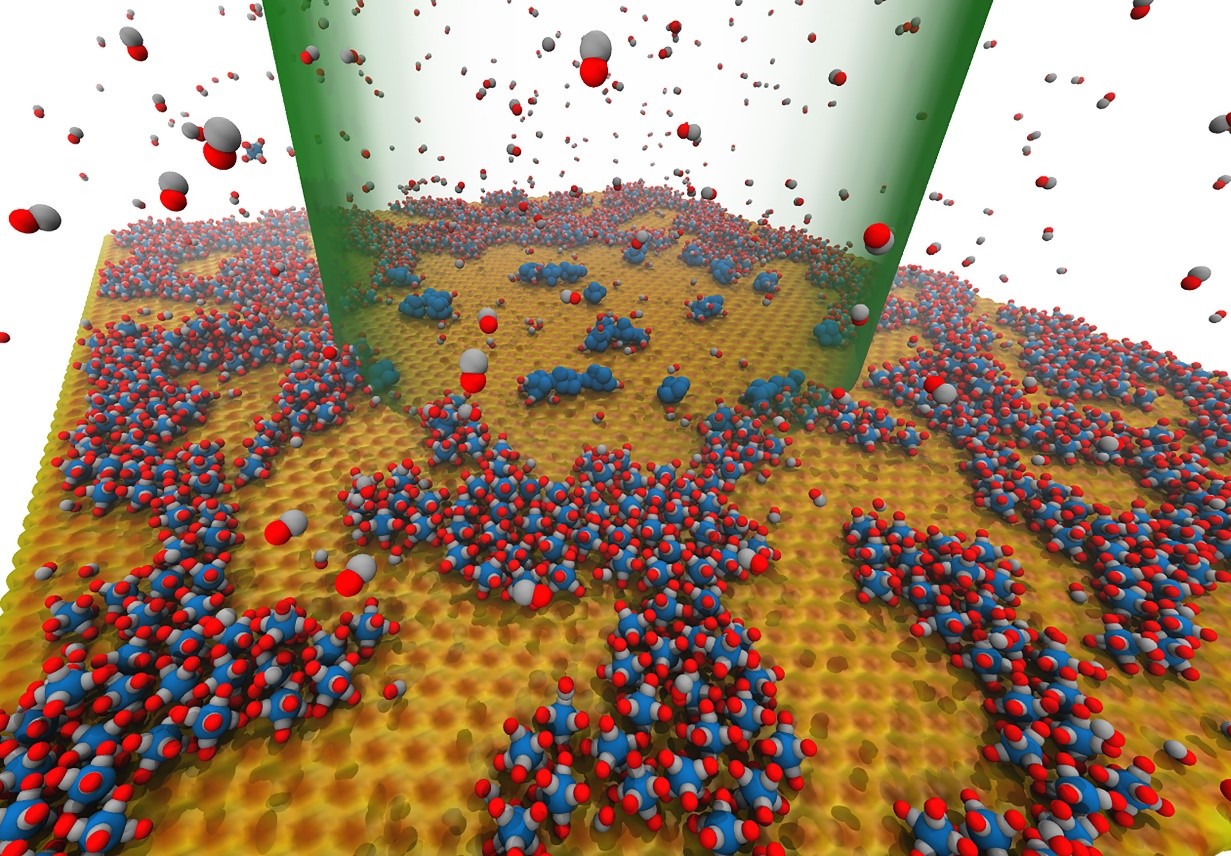 RADON – Irradiation-Driven Nanofabrication: Computational Modelling versus Experiment
A Horizon 2020 Marie Skłodowska-Curie Actions Research and Innovation Staff Exchange (MSCA-RISE) project (2020–2025) dedicated to advancing controllable irradiation-driven nanofabrication. RADON delivered a state-of-the-art interdisciplinary programme integrating computational modelling with cutting-edge experimental techniques to investigate molecular interactions and dynamical processes in irradiated nanosystems. By improving the understanding and control of nanoscale fabrication under irradiation, the project contributed to the development of innovative and efficient nanotechnologies. In addition, RADON provided comprehensive training for research and innovation staff, strengthening collaboration between academia and industry and fostering the next generation of experts in radiation science and nanotechnology.
End date: 30/11/2025.
 YCHe – Your Chemical Heritage: Bringing Chemistry to Indigenous Communities
An international outreach and research initiative that promotes inclusive participation in chemistry by connecting scientific knowledge with indigenous cultures and heritage. YCHe highlights examples of “indigenous chemistry” from across the world—ranging from natural pigments and traditional medicines to food processing and materials science—while linking them to modern disciplines such as astrochemistry. Through culturally relevant educational resources, digital platforms, and school-based engagement, the project aims to broaden access to STEM, foster diversity, and demonstrate the universal role of chemistry in human civilisation.
End date: 31/12/2025.