Funded by: DfT through Innovate UK
Electrified International Ferries (EIF) is part of the Clean Maritime Demonstration Competition 6: Feasibility Studies, funded by the UK Department for Transport (DfT) and delivered by Innovate UK. The EIF project is funded by UK Government through the UK Shipping Office for Reducing Emissions (UK SHORE) programme in the Department for Transport. UK SHORE has allocated over £230m since 2022 to develop the technologies necessary to decarbonise the UK maritime sector and capture the economic growth opportunity of the transition. Innovate UK, part of UK Research and Innovation, is the main delivery partner for UK SHORE interventions.
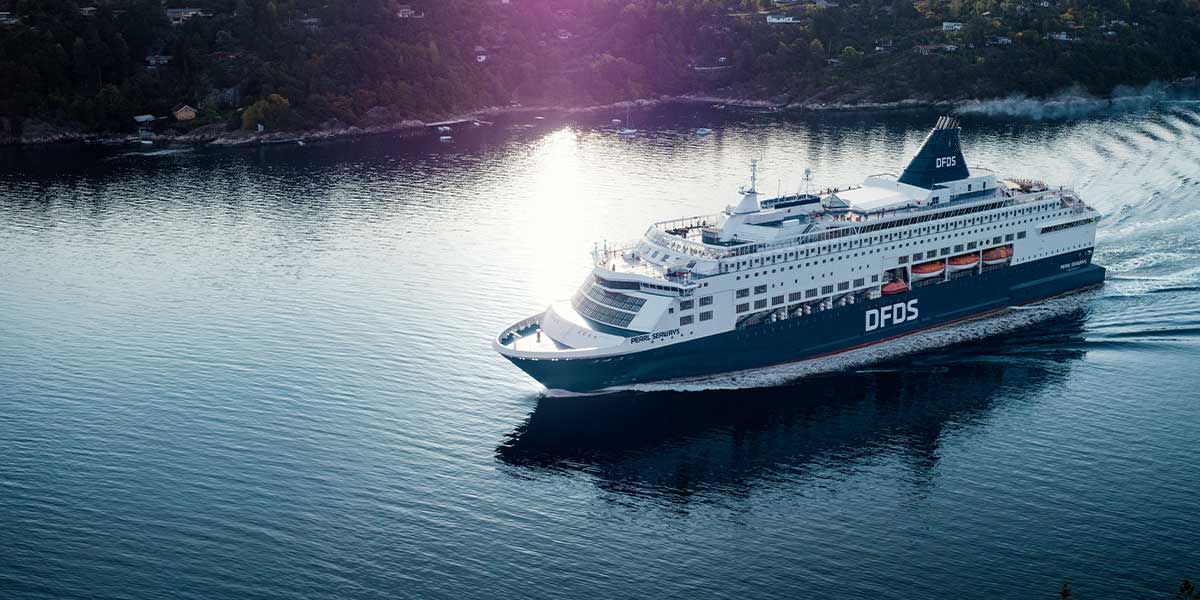
The project consortium is led by DFDS and is in collaboration with WMG at the University of Warwick, AVL Powertrain UK Limited, and OPINTELS Solutions Ltd, and aims to explore the feasibility of deploying fully electric and plug-in hybrid vessels on one of the world’s busiest ferry routes. With sailings every 36 minutes and handling approximately £144 billion in trade annually—33% of all UK-EU trade— this corridor is vital to the UK economy and maritime decarbonisation.
Previous projects—Dover Clean Ferry Power (CMDC1), Green Corridor at the Short Straits (CMDC2), and Smart Electrification of Short Straits Ferries (SSAF)—delivered by partners in this consortium, have highlighted major technical and operational challenges in decarbonising the route; one though that brings emission reductions of up to 80 per cent.
DFDS has announced an £800 million investment in fully electric ferries for the Short Straits, with first deployments expected by 2030. Additional investments from other operators and the port are anticipated to total around £400 million. Unlike conventional vessels that refuel every five days, e-ferries will require recharging after each crossing—up to ten times per day—necessitating a fundamentally different operational, technical, and economic framework.
This project aims to develop a comprehensive modelling tool that integrates vessel design, berth infrastructure, and port-side energy systems. In addition, the study will address productionisation aspects including communication protocols, systems integration, and human and economic resource planning. Dr Ramin Raeesi and Dr Vedat Bayram from the Centre for Logistics and Sustainability Analytics (CeLSA), lead the work packages focusing on strategic development and economic analysis.
.